10 Must-See U.S. National Parks: Fast Facts & Planning
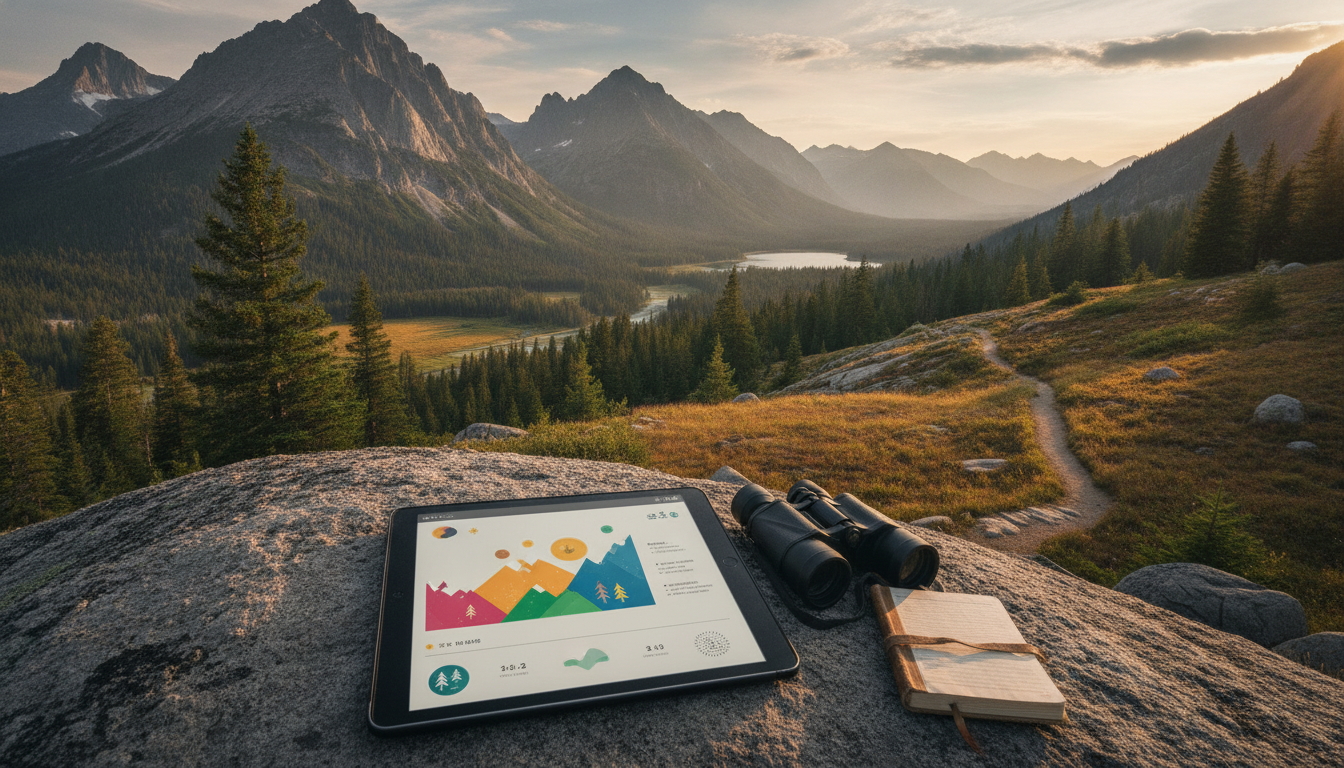
Top 10 Must-See U.S. National Parks: Fast Facts and Trip Planning Essentials
America’s national parks span desert canyons, geothermal basins, alpine ridgelines, and wild coastlines. Below are quick, practical details for 10 standout parks—what makes each one special, when to go, what to do, and planning notes that help hikers and adventure planners turn inspiration into an itinerary. For official updates on conditions and closures, start with the National Park Service (NPS) Find a Park directory.
What “must-see” means for different travelers
- For first-timers: iconic scenery, easy-to-reach viewpoints, and strong visitor services (shuttles, ranger programs, clear signage).
- For hikers: trail variety, elevation options, and day hikes that deliver the park’s signature landscapes without complex logistics.
- For photographers: sunrise/sunset locations, seasonal color, and weather patterns that affect light, haze, and visibility.
- For planners: park size, timed-entry or shuttle systems, and the reality of lodging/camping competition.
Fast facts: 10 national parks to prioritize
Use the list as a starting point, then match the park to season, fitness level, and crowd tolerance. In peak months, some parks require reservations for entry, popular hikes, campgrounds, or shuttles—check details early, and confirm camping and permit availability on Recreation.gov when applicable. Pair nearby parks for efficient road trips (for example, Zion + Bryce Canyon, or Yosemite + Sequoia/Kings Canyon).
Top parks at a glance
| Park | Signature scenery | Best season (typical) | Best for |
|---|---|---|---|
| Yosemite | Granite cliffs, waterfalls, giant sequoias | Late spring–fall | Classic hikes, waterfalls, valley views |
| Grand Canyon | Vast canyon vistas, layered geology | Spring/fall | Scenic overlooks, rim hikes, backpacking |
| Yellowstone | Geysers, hot springs, wildlife | Late spring–early fall | Geothermal features, wildlife watching |
| Zion | Red-rock canyons, narrows, cliffs | Spring/fall | Adventure hikes, canyoneering vibes |
| Bryce Canyon | Hoodoos and amphitheaters | Spring/fall | Short scenic trails, stargazing |
| Arches | Natural stone arches, desert panoramas | Spring/fall | Iconic landmarks, sunrise photography |
| Rocky Mountain | Alpine lakes, tundra, peaks | Summer–early fall | High-elevation day hikes, wildlife |
| Glacier | Glacial valleys, turquoise lakes | Summer–early fall | Scenic drives, rugged hiking |
| Acadia | Rocky coastline, forests, carriage roads | Summer–fall | Coastal hikes, family-friendly loops |
| Olympic | Rainforests, mountains, wild beaches | Summer (varies by zone) | Diverse ecosystems, multi-day exploring |
Park-by-park highlights and can’t-miss experiences
- Yosemite: Anchor your day with valley viewpoints and waterfalls, then add a giant sequoia grove day for a totally different scale and mood.
- Grand Canyon: Plan sunrise or sunset at rim overlooks for shifting color and depth. Rim-to-river day hikes demand strong preparation, realistic turnaround times, and careful heat/condition awareness.
- Yellowstone: Balance geothermal basins with wildlife corridors. Start drives early to avoid congestion and increase odds of calmer viewing conditions.
- Zion: Big canyon drama on accessible trails. Check shuttle requirements and understand flash-flood risk before committing to narrow canyon routes.
- Bryce Canyon: Hoodoo amphitheaters shine on short trails with huge payoff. Because of elevation, it can feel much cooler than nearby desert parks—pack layers.
- Arches: Iconic viewpoints and compact hikes. Start at dawn to dodge heat and limited parking, and plan for minimal shade on exposed trails.
- Rocky Mountain: Alpine lakes, high passes, and tundra ecosystems. In summer, afternoon storms are common—start early and set a storm-aware turnaround time.
- Glacier: Turquoise lakes and ridge trails reward hikers who plan ahead. Major corridors can require vehicle reservations at peak times, so map out alternates.
- Acadia: Coastal sunrises and granite ridgelines are the classics. Explore quieter sections beyond the busiest loop for a calmer, local feel.
- Olympic: Choose zones—coast, rainforest, or alpine—because drive times can be significant. Planning by “area days” beats crisscrossing the park.
How to plan a 3–7 day national parks itinerary
Reservations, permits, and timing pitfalls to avoid
Packing and safety essentials for hikers and adventure days
- Carry the basics: ample water capacity, layers, navigation, sun protection, and a headlamp for unplanned delays.
- Desert parks: prioritize heat management (early starts, electrolytes, and a larger water margin than you think you need).
- Mountain parks: expect fast weather changes and pace for altitude; set conservative turnaround times if storms build.
- Wildlife areas: keep distance, store food properly, and follow local guidance on bear canisters or food lockers.
- Leave No Trace: stay on durable surfaces, pack out trash, and respect wildlife and quiet areas; review principles at the Leave No Trace Center for Outdoor Ethics.
Digital guide option for fast facts and planning checklists
- Top 10 Must-See U.S. National Parks + Fast Facts | Digital Travel Guide eBook for Nature Lovers, Hikers & Adventure Planners
- Digital Literacy for Everyday Life | Digital Skills Guide PDF, Safe Internet Use, Online Communication Etiquette, Tech Confidence eBook, Digital Competence Checklist
FAQ
When is the best time to visit the most popular national parks?
Spring and fall often bring milder temperatures and lighter crowds, while many high-elevation parks are most accessible in summer. Always verify park-specific conditions, road openings, and reservation calendars before locking in dates.
Do national parks require reservations to enter?
Some parks use timed-entry systems during peak periods, while others allow entry without reservations. Separate bookings may still be needed for campgrounds, shuttles, and certain hikes, so check the official park site close to your travel dates.
How many days are enough for a first visit to a national park?
Two to three days is usually enough for a strong overview, while four to seven days allows longer hikes and time in less-crowded areas. Choosing one base area and one signature hike or drive per day keeps the pace realistic.












Leave a comment