Pet Travel Packing Checklist for Dogs & Cats (Printable)
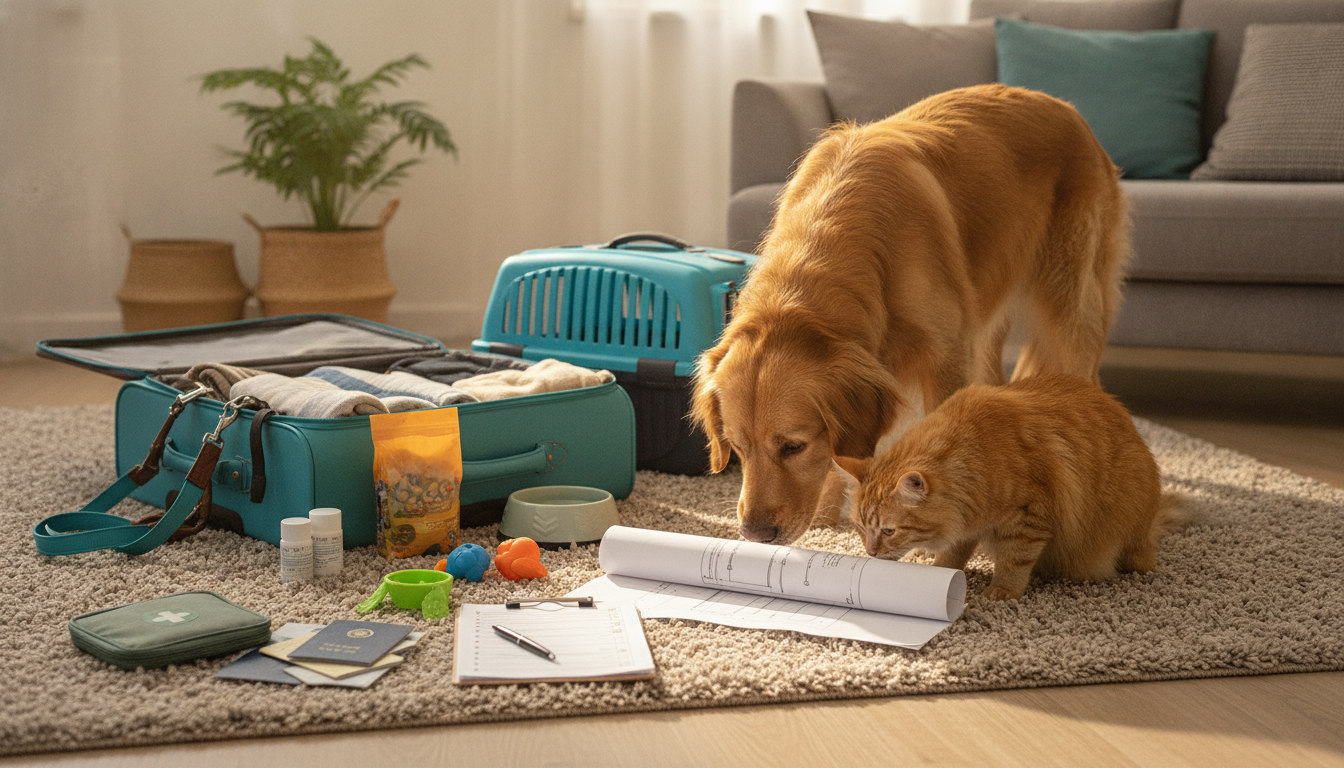
Pet Travel Essentials Checklist for Safe Trips (Dogs & Cats)
A smooth trip with a dog or cat comes down to planning: the right gear, the right documents, and a routine that keeps pets secure and comfortable. Use this practical checklist to pack with confidence for road trips and vacations, reduce stress on travel day, and handle common “what if” moments on the go.
Before You Pack: Quick Safety Checks That Prevent Most Travel Problems
- Confirm pet rules at your destination: check lodging policies, local leash requirements, and any restrictions for beaches, trails, or public spaces.
- Schedule a vet check if needed: especially if vaccines, parasite prevention, or refills are due. If you’re traveling across state lines or internationally, requirements can change quickly.
- Update ID before leaving: a readable collar tag, confirmed microchip registration details, and a current photo (full body + face) saved on your phone.
- Do a short practice run: brief carrier time for cats, a car harness/crate for dogs, and a short drive to reduce travel-day anxiety.
- Plan your routine: feeding timing, potty stops, and quiet time help prevent motion sickness and overstimulation.
For official travel guidance, review the AVMA’s pet travel tips and the CDC’s traveling with pets information. For international requirements, the USDA APHIS pet travel hub is a reliable starting point.
Core Travel Gear for Dogs and Cats
- Secure transport: a crash-tested harness or crate for dogs; a hard-sided or well-ventilated carrier for cats. Secure carriers so they don’t slide in sudden stops.
- Leash + backup leash: plus a cat harness if appropriate. A long line can be useful for controlled sniff breaks in safe areas.
- Portable bowls: and a spill-resistant water option for the car so hydration stays easy.
- Waste kit: poop bags, plus for cats: litter, a disposable tray, a scoop, and odor-control bags.
- Comfort items: a familiar blanket, small bed, and a toy that won’t roll under pedals.
- Cleaning basics: pet-safe wipes, paper towels, enzyme cleaner, and a small roll of trash bags.
Packing List Table: What to Bring (Essentials vs. Nice-to-Have)
Use the table as a last-minute scan before leaving the driveway. Adjust quantities based on trip length, number of pets, and access to stores at your destination.
| Category | Essentials | Nice-to-Have |
|---|---|---|
| Safety & Restraint | Crate/carrier or car harness; leash; ID tags; seat cover | Reflective vest; GPS tracker; window shades |
| Food & Water | Food for entire trip + 2 extra days; bottled/filtered water if sensitive; bowls | Puzzle feeder; lick mat; treat pouch |
| Health | Medications; flea/tick/heartworm prevention; basic first aid items | Thermometer; paw balm; calming pheromones |
| Hygiene | Poop bags; litter + tray (cats); wipes; enzyme cleaner | Grooming brush; towel; deodorizing spray |
| Comfort | Blanket/bed; favorite toy; crate mat | White noise app; portable fan; sunshade |
| Documents | Vet records; rabies proof; microchip info; emergency contacts | Printed pet photo flyer; insurance card copy |
| Outdoor Time | Harness; waste kit; water; towel | Long line; booties; cooling bandana |
Documents and Health Items to Keep Together
- Rabies proof and required certificates: keep them accessible, not buried in luggage. Rules vary by state, airline, and destination.
- Medication list: include dose, schedule, and what each medication is for. Pack meds in original labeled containers when possible.
- Baseline routine notes: write down normal eating, potty, and sleep habits so you can spot early signs of stress or illness.
- Emergency sheet: your primary vet, the nearest 24-hour emergency clinic where you’re staying, and pet poison control numbers.
- Allergies and special diet notes: a short written description plus a “safe treat list” helps if someone else needs to feed your pet.
If you prefer a ready-made system you can reuse, Printable Pet Travel Essentials Checklist and Planner is designed for quick packing checks and a simple travel timeline.
Road Trip Routine: Feeding, Breaks, and Car Comfort
- Feeding timing: offer a light meal several hours before departure and avoid heavy meals right before driving to reduce nausea risk.
- Break cadence: plan stops every 2–3 hours for dogs. Cats often do better with fewer disruptions; consider a quiet litter option in the car or wait until lodging if your cat is calmer that way.
- Temperature safety: never leave a pet in a parked car. Use ventilation, shade, and bring extra water even on mild days.
- Motion sickness: keep the car cool, avoid strong scents, and ask a vet about options if nausea is common.
- Arrival reset: set up a “home base” first (bed, water, litter) so pets can decompress before exploring.
Cat-Specific Notes (Carriers, Litter, and Hiding Spots)
Printable Planner: A Simple Way to Stay Organized
For travel budgeting and keeping receipts, reservations, and spending limits organized in one place, you can also pair your pet checklist with Personal Finance Made Easy Ebook – Budgeting, Saving, Investing & Debt Management Guide as a simple way to plan trip costs ahead of time.
FAQ
What are the must-have travel items for a dog or cat?
At minimum, bring a secure restraint (crate, carrier, or crash-tested harness), updated ID, food and water supplies, waste or litter supplies, medications/basic first aid, comfort items, and key documents like rabies proof.
How often should pets take breaks on a road trip?
Dogs typically do best with a stop every 2–3 hours for potty, water, and a short decompression walk on a secure leash or harness. Cats often prefer fewer stops, so focus on a calm environment and offer litter breaks in a quiet, safe setup.
What documents should be packed for traveling with pets?
Pack rabies vaccination proof, any required health certificate, microchip details, a medication list with doses, and emergency contacts (your vet and a nearby 24-hour clinic at the destination). Always confirm lodging and airline requirements before you leave.












Leave a comment